Clematis Vitalba, also Old Mans Beard or Travellers Joy. A vigorous native UK climber with creamy white flowers and silky seedheads. RHS pollinator
Brand: Paramount Plants & Gardens
Description
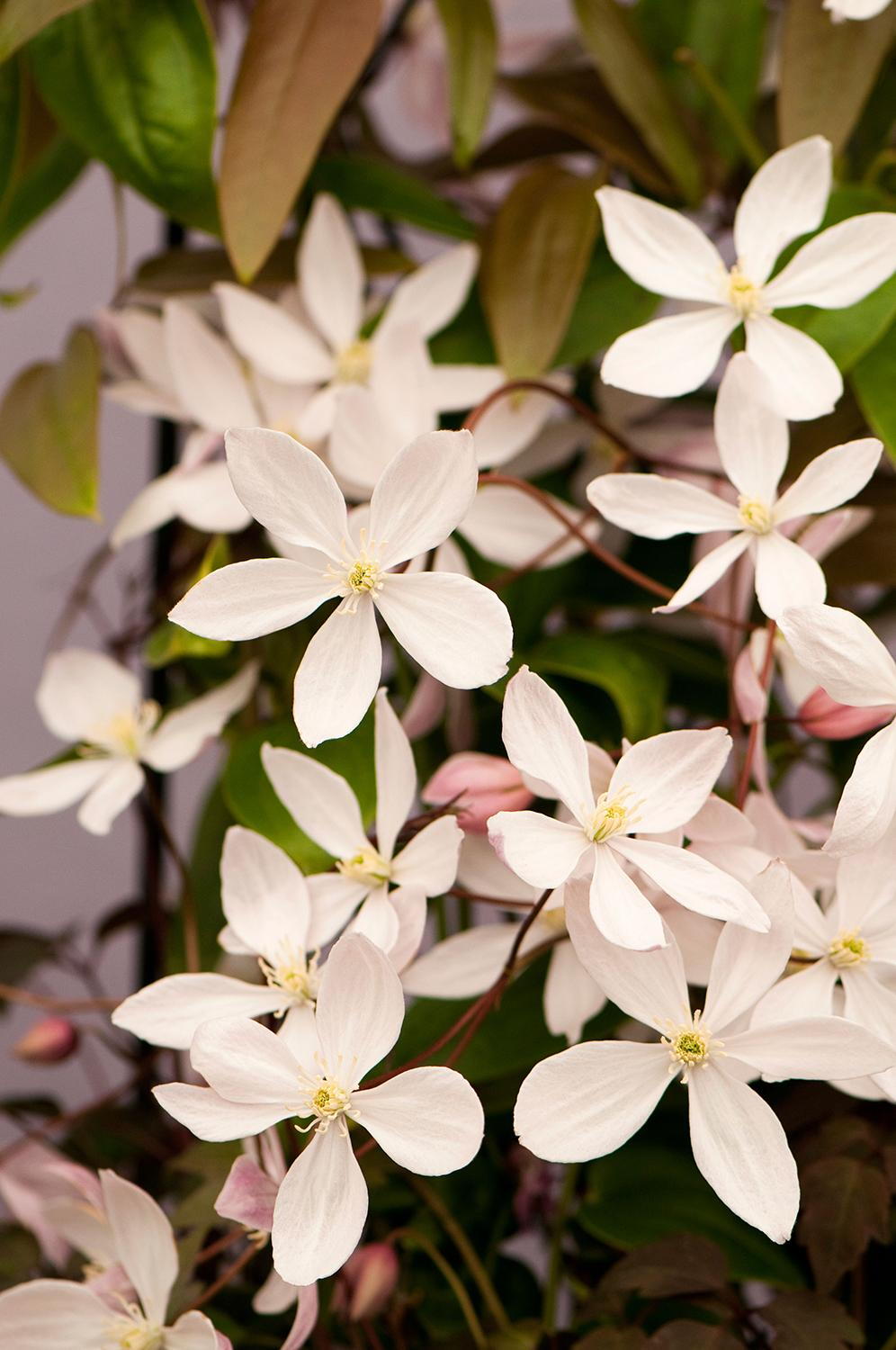
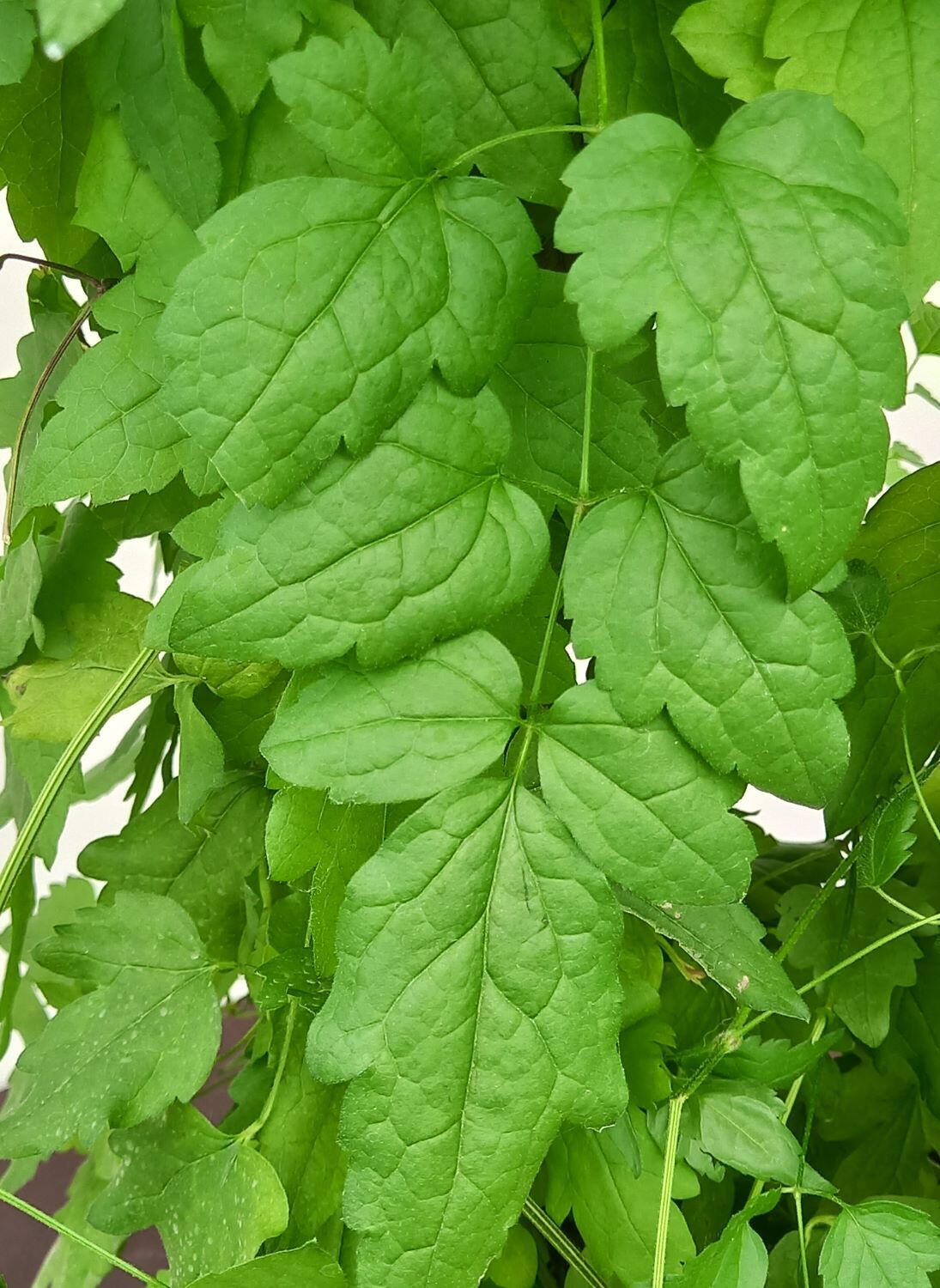
Clematis Vitalba, commonly known as Old Mans Beard or Travellers Joy, is a vigorous, fast growing climber with a distinctive wild charm. This native clematis species is well known across the British countryside for its frothy summer flowers and long lasting silky seedheads that light up hedgerows and woodland edges well into autumn. With an impressive climbing ability, Clematis Vitalba brings a natural untamed feel to gardens, perfect for softening fences, trellises and old trees with its abundant growth and pollinator friendly blooms.n This robust climber features masses of small, four petalled creamy white flowers, each tinged with a subtle green hue and accentuated by prominent white stamens. Flowering begins in mid summer and continues into early autumn, creating a light airy cloud of blooms that are especially attractive to bees and butterflies. Once the flowers fade, they are replaced by distinctive fluffy seedheads – the feature that gives Old Mans Beard its popular name. These silvery plumes persist well into winter, providing seasonal interest long after other plants have died back. The foliage is made up of mid to dark green pinnate leaves, creating a lush backdrop for the soft white flowers. It is a deciduous climber, which means it will shed its leaves in winter but regrows vigorously each spring. Unlike cultivated hybrids such as Clematis Florida or the evergreen Clematis Armandii, Clematis Vitalba is a hardy native species with an informal wild look that suits naturalistic planting schemes and wildlife gardens. Height and Width of Clematis Vitalba Clematis Vitalba is exceptionally vigorous, easily reaching heights of 7 metres or more and spreading several metres wide. It requires strong support and space to climb, making it ideal for large gardens, walls or wild hedgerows. How hardy is Clematis Vitalba? This clematis is fully hardy throughout the UK and can tolerate temperatures well below freezing. It thrives in a range of soils including chalky or poor ground and is well suited to exposed or coastal conditions. Its adaptability and resilience make it a favourite among gardeners looking for low maintenance climbers. Uses in Garden and or Landscape Perfect for naturalistic or wildlife friendly gardens, Clematis Vitalba is ideal for covering unsightly fences, sheds or tree stumps. It brings softness and movement to wilder areas and provides excellent cover for birds and insects. It is also a valuable food source for pollinators, earning it the RHS Perfect for Pollinators accolade. This climber works beautifully in woodland edges, informal hedges or cottage garden schemes, adding structure and year round interest. Care Tips Plant Clematis Vitalba in a sunny or partially shaded position with the roots kept cool and shaded. Water well after planting and during dry spells. Prune back hard in late winter or early spring to control its vigorous growth and encourage fresh flowering wood. It is best trained against strong supports such as wire mesh, pergolas or mature trees. Mulch annually to conserve moisture and improve soil health.